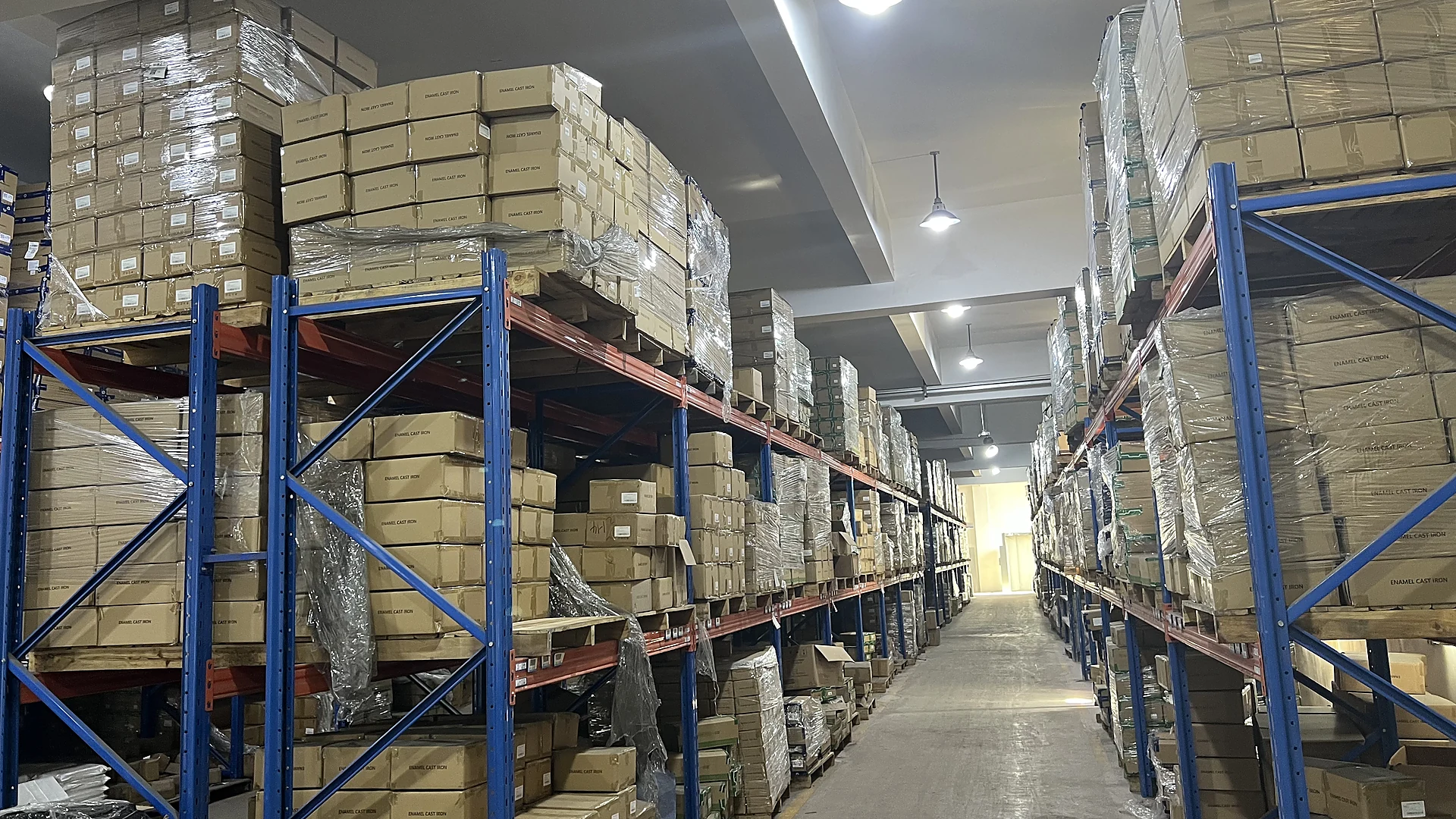
The practical cost answer
Custom cookware cost depends on product type, size, weight, material, finish, customization depth, packaging, order quantity, tooling, inspection requirements, and shipment terms. For enameled cast iron cookware, the biggest cost drivers are usually product weight, enamel finish, custom color work, packaging structure, and whether the buyer uses existing molds or needs new development.
This guide helps brand buyers prepare a better RFQ before asking a cookware manufacturer for pricing.
Start with product type
Different cookware categories have different cost logic. A Dutch oven is usually heavier and more packaging-sensitive than a skillet. A grill pan may need specific rib details. A casserole or braiser may need a more giftable presentation.
For Sancong Eco Enamel, the main product categories include:
- Enameled cast iron Dutch ovens.
- Casseroles.
- Skillets.
- Grill pans.
- Braisers.
- OEM color and packaging projects.
When you request a quote, name the product clearly. “Cast iron pot” is less useful than “5 qt round enameled cast iron Dutch oven with custom exterior color and retail box.”
Product size and weight
For cast iron cookware, weight affects material cost, handling, packaging, and freight. A larger Dutch oven does not only use more material. It may need stronger carton protection, different master carton planning, and a different shipping cost estimate.
Cost questions to ask:
- What is the estimated unit weight?
- What is the carton weight?
- How many pieces per master carton?
- Is the product suitable for e-commerce shipping?
- Does the packaging need extra protection?
Weight can also affect retail price. A premium buyer may accept heavier cookware, while a marketplace seller may worry about shipping cost and return risk.
Existing mold vs new mold
Using an existing mold is usually faster and more cost-efficient. New mold development may be useful when your brand needs a unique shape, handle, lid profile, or capacity, but it adds time and cost.
Existing mold is better when:
- You are testing a new category.
- You need a faster launch.
- Your main customization is color and packaging.
- You want to control first-order risk.
New mold may be better when:
- You need a differentiated product.
- Your retail buyer requires exclusive design.
- You already have stable demand.
- Your brand positioning depends on a unique shape.
Custom color cost
Custom enamel color can add cost because it requires matching, sampling, approval, and production control. A standard color may be easier to quote. A custom seasonal color may need more development time.
Prepare:
- Pantone reference or physical color sample.
- Exterior and interior color requirements.
- Finish preference: glossy, matte, or special.
- Whether the color must match multiple products.
- Approved sample process.
The more precise your color approval process is, the easier it is to avoid disagreement during production.
Logo and branding
Logo cost depends on where the logo appears. Packaging logo work is different from product marking. Some cookware projects need logo on the box, instruction sheet, carton, hangtag, or product accessory.
Branding cost drivers:
- Logo placement.
- Artwork preparation.
- Printing method.
- Packaging complexity.
- Number of SKUs.
- Labeling and barcode requirements.
Buyers should provide vector logo files and clear artwork rules early.
Packaging cost
Packaging can be a major cost factor for heavy cookware. A simple export carton costs less than a full retail box with inserts, color printing, manual, barcode, and shelf-ready design.
Packaging options:
| Packaging type | Typical use |
|---|---|
| Plain carton | Wholesale or simple B2B shipment |
| Retail box | Store shelf or brand presentation |
| Gift box | Premium cookware positioning |
| E-commerce protection | Direct shipping and marketplace channels |
| Master carton | Bulk export and pallet planning |
Do not treat packaging as an afterthought. Weak packaging can damage products and increase claims.
MOQ and order quantity
MOQ depends on product, color, packaging, and production planning. A standard product with existing color may have different MOQ from a custom color project with retail packaging.
Higher order quantity can improve unit cost, but only if your brand can sell through inventory. New brands should balance unit cost with inventory risk.
Ask the supplier:
- What MOQ applies to this model?
- Does custom color change MOQ?
- Does private label packaging change MOQ?
- Can sample orders or trial orders be discussed?
- What quantity improves cost meaningfully?
Inspection and documentation
Inspection cost may be direct or indirect. Even when the factory includes standard inspection, buyers may need additional checks, documents, or third-party inspection.
Possible requirements:
- Final inspection photos.
- Packing photos.
- Product measurements.
- Carton drop concerns.
- Certificate review.
- Third-party inspection.
- Compliance documents for destination market.
If your buyer or retailer requires specific documents, mention them before quotation.
Shipping and landed cost
Unit price is not landed cost. Heavy cookware can change the total economics after freight, duties, inland delivery, and packaging damage risk.
For a realistic cost view, consider:
- Product unit price.
- Packaging cost.
- Inland freight.
- Export handling.
- Ocean or air freight.
- Import duty and taxes.
- Warehousing.
- Damage allowance.
RFQ template
Use this structure when asking for a quote:
- Product: 5 qt round enameled cast iron Dutch oven.
- Quantity: 1,000 pcs initial order.
- Color: custom exterior color, light interior.
- Packaging: retail box with barcode and instruction insert.
- Logo: packaging logo only, product logo optional.
- Market: United States / EU / other.
- Timeline: sample needed by date, launch date.
- Documents: FDA/LFGB reference if required.
Related cost guides
Review OEM service, quality control, and Dutch oven manufacturing before preparing your RFQ.
Final recommendation on cookware cost
The best way to control custom cookware cost is to define the product clearly. Start with existing molds when possible, customize color and packaging strategically, and confirm samples before mass production. A complete RFQ helps the manufacturer quote accurately and helps you compare suppliers fairly.
Need a factory quote?
Share your cookware project details
Send your target product, quantity, color, packaging, and market requirements. The Sancong Eco Enamel team will review the project and reply by email.