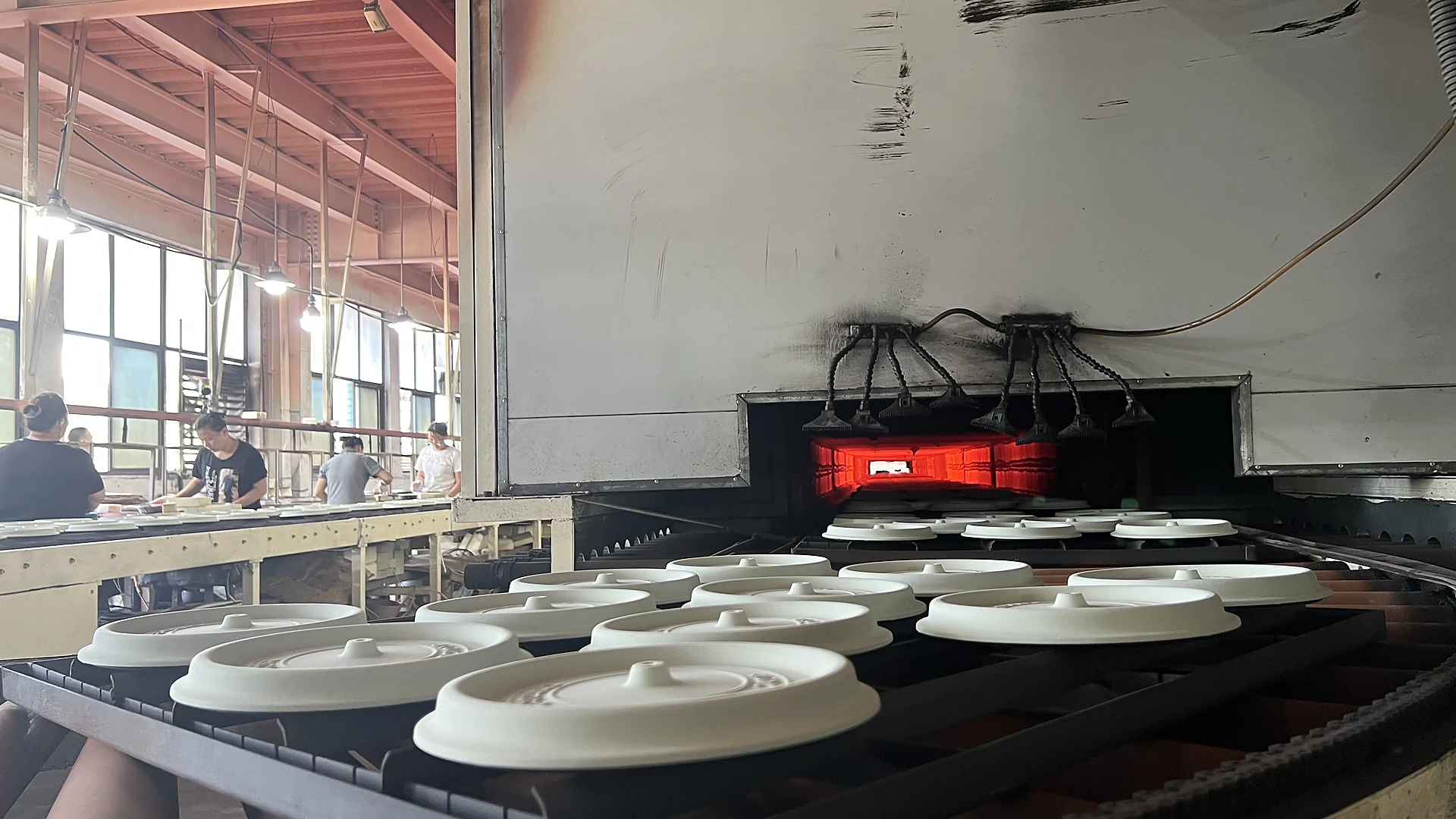
The OEM production process explained
OEM Dutch oven production usually moves through requirement confirmation, sample development, material and production planning, casting, surface preparation, enameling, firing, inspection, packaging, and shipment support. A brand buyer should confirm product details before sample work and should not treat the production process as a black box.
This guide explains the process from a buyer’s point of view. It is written for cookware brands, importers, distributors, and private label buyers planning enameled cast iron Dutch oven projects with a manufacturer in China.
1. Requirement confirmation
Every successful OEM project starts with a clear product brief. The factory needs enough information to understand whether the buyer wants an existing model, a customized version, or a new product development project.
Prepare these details:
- Product shape: round, oval, shallow, deep, or specialty.
- Capacity or size range.
- Exterior and interior enamel color.
- Lid, knob, and handle requirements.
- Logo position and branding rules.
- Packaging type: plain carton, retail box, gift box, or e-commerce protection.
- Estimated quantity and target launch date.
- Destination market and compliance needs.
If the buyer does not have a final design, the supplier can still help by recommending practical existing shapes and sizes. However, the quotation will become more accurate once the main product and packaging details are confirmed.
2. Feasibility review
Before sample development, the manufacturer should review whether the requested product can be made with existing tools or needs new tooling. This is also when color matching, packaging, and buyer-specific requirements are checked.
Feasibility questions include:
| Question | Why it matters |
|---|---|
| Is there an existing mold? | Existing models reduce development time and cost |
| Is the color practical? | Some colors need sample testing and approval |
| Is the product too heavy for the target channel? | Weight affects freight and user experience |
| Does packaging protect the product? | Dutch ovens need strong protection during shipping |
| Are certificates or documents needed? | Requirements vary by market and buyer |
This step helps prevent costly changes after sample approval.
3. Sample development
The sample stage confirms the physical product. For an enameled Dutch oven, buyers should check both the overall look and manufacturing details. A sample is not only a photo opportunity. It is a technical checkpoint.
Review these sample points:
- Overall shape and capacity.
- Enamel color and gloss.
- Lid fit and rim finish.
- Knob style and assembly.
- Interior coating appearance.
- Product weight.
- Logo placement if included.
- Packaging structure if packaging is sampled.
If the sample does not meet expectations, record feedback clearly. Use photos, marked comments, and measurable details where possible.
4. Pre-production confirmation
After sample approval, the buyer and supplier should lock the production details. This avoids confusion between sample approval and bulk production.
Confirm:
- Approved product reference.
- Approved color or color sample.
- Approved packaging artwork and carton marks.
- Order quantity and tolerance.
- Inspection standard.
- Production schedule.
- Payment and shipment terms.
For private label cookware, this stage should include packaging files, barcode details, insert copy, and any buyer-specific labels.
5. Casting and body preparation
The cast iron body is formed according to the selected shape and mold. After casting, surface preparation helps create a better base for coating and finishing. Buyers do not usually manage this stage directly, but they should understand that body quality affects final appearance.
Typical concerns:
- Body consistency.
- Surface preparation.
- Edge and rim condition.
- Weight control.
- Handle and lid fit relationship.
For repeat programs, ask the supplier how production references are maintained between orders.
6. Enameling and firing
Enameled Dutch oven production requires coating and firing. The enamel finish gives the product its visual identity, so color and surface consistency are important for cookware brands.
Buyer-facing checks include:
- Exterior color consistency.
- Interior color or finish consistency.
- Gloss or matte appearance.
- Visible defects, spots, or uneven areas.
- Rim and handle finish.
- Matching across multiple product sizes.
If your brand plans a full cookware line, discuss whether the same color system can be applied to casseroles, skillets, grill pans, or braisers.
7. In-process inspection
Inspection should not happen only at the end. In-process checks help catch issues before packaging. The exact inspection method depends on the supplier, but buyers should ask which quality points are monitored during production.
Common checks:
- Surface appearance.
- Coating quality.
- Lid fit.
- Color consistency.
- Product damage.
- Packaging readiness.
For higher-value programs, buyers may also arrange third-party inspection before shipment.
8. Final inspection and packing
Final inspection confirms the finished product and packaging. Dutch ovens are heavy, so packaging strength matters. Retail buyers often need packaging that protects the product and presents the brand well.
Final packing checks:
- Correct product and quantity.
- Correct color and model.
- Clean product surface.
- Inner protection.
- Retail box or carton artwork.
- Barcode and carton marks.
- Master carton strength.
- Pallet requirements if needed.
Ask for packing photos when the order is ready. This helps identify obvious issues before goods leave the factory.
9. Shipment support
After production and packing, shipment details are coordinated with the buyer, forwarder, or export partner. The supplier should provide carton information, packing details, and any required commercial documents according to the agreed trade terms.
Buyers should confirm:
- Shipment method.
- Carton dimensions and weight.
- Loading plan where relevant.
- Document requirements.
- Forwarder contact.
- Delivery timeline.
Timeline expectations
Production timing depends on sample approval, order quantity, color requirements, packaging artwork, and factory schedule. A custom color and private label package usually needs more coordination than a standard product.
For planning, divide your timeline into:
- Product brief and quotation.
- Sample development and approval.
- Packaging artwork confirmation.
- Mass production.
- Inspection and packing.
- Shipment.
Related OEM production guides for buyers
Review OEM service details, factory capability, quality control, and the Dutch oven product page before sending an RFQ.
Final recommendation on OEM production
A good OEM Dutch oven production process should be visible and easy to discuss. Buyers should not need to guess how samples, colors, packaging, inspection, and shipment are handled. The more clearly you define the product before production, the easier it is for the supplier to protect cost, timing, and quality.
Need a factory quote?
Share your cookware project details
Send your target product, quantity, color, packaging, and market requirements. The Sancong Eco Enamel team will review the project and reply by email.