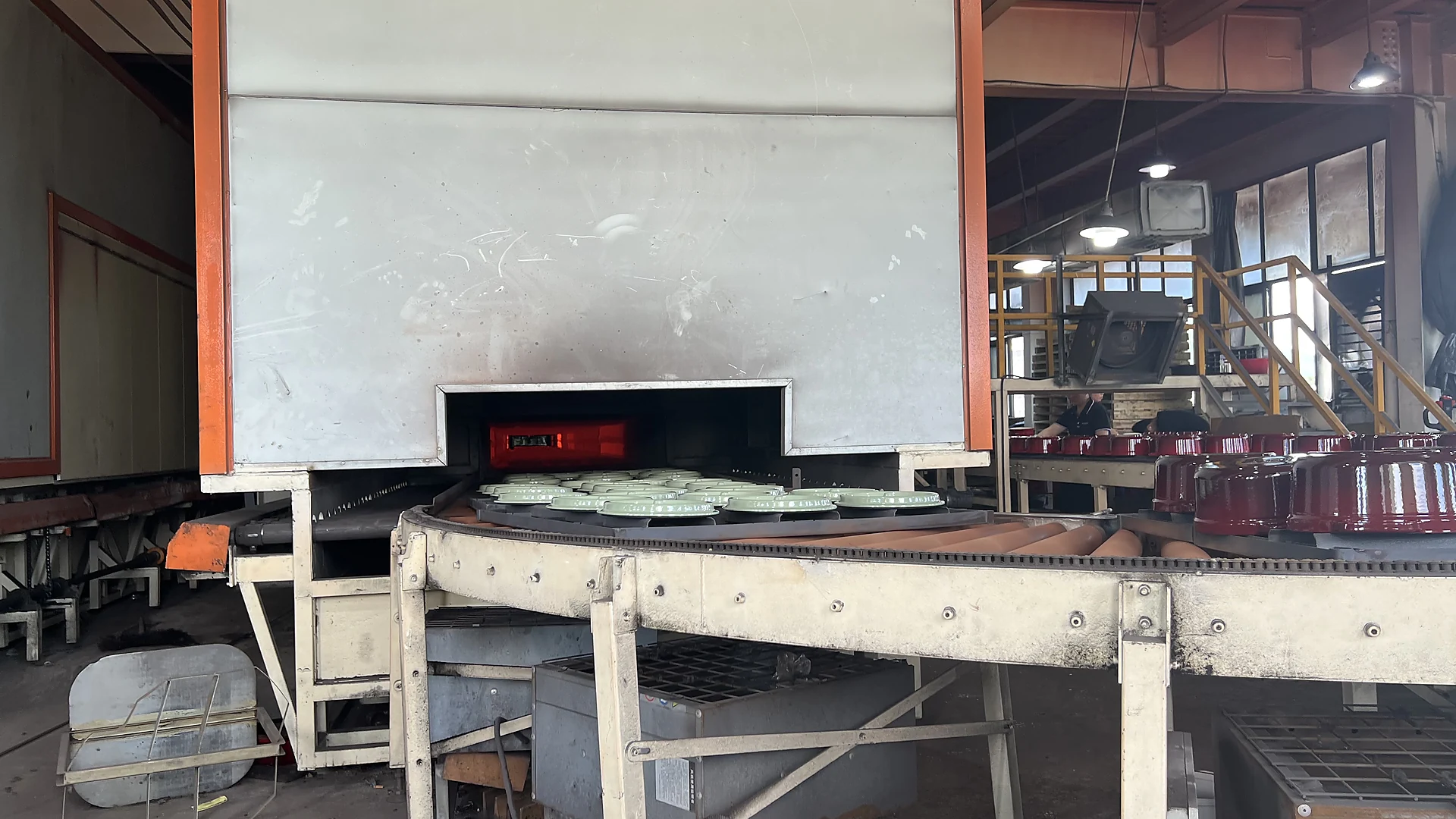
Lead time is a staged process
OEM cookware production timing depends on product complexity, sample approval, color matching, packaging artwork, order quantity, inspection, and shipment method. Buyers should plan the timeline in stages instead of asking only for one lead time number.
Timeline stages
Typical stages include RFQ discussion, sample development, packaging artwork, sample approval, mass production, final inspection, packing, and shipment.
What causes delays
Common delays include unclear product details, slow artwork approval, color revisions, packaging changes, peak production schedules, and missing documents.
Buyer preparation
Prepare product specifications, target quantity, color reference, packaging requirements, destination market, and launch deadline before asking for timing.
Timeline control
Lock key details before production. Avoid changing color, packaging, or quantity after sample approval unless you understand the impact.
Practical timeline planning
For a private label enameled cast iron project, the buyer should separate the schedule into decision stages. First comes product selection and quotation. Then comes sample request, color discussion, packaging design, sample review, mass production, final inspection, and shipment. Each stage needs a responsible person on the buyer side.
The most avoidable delays come from incomplete artwork, late barcode information, unclear color references, and last-minute packaging changes. If the buyer needs product photography, Amazon listing creation, retailer submission, or catalog launch, those tasks should be scheduled around sample approval rather than after goods are already finished.
What to send for faster timing
Send the supplier a clear target: product model, capacity, finish, color, logo placement, packaging type, quantity, destination country, required documents, and desired ship date. A factory can give a more reliable lead time when the project is clear. If the buyer only asks “how many days”, the answer is usually incomplete.
Production timing takeaway
OEM cookware production time depends on sample approval, enamel color matching, packaging artwork, order quantity, inspection, and shipment method. Buyers should plan backward from launch date and lock product, color, packaging, labels, and documents before mass production.
Build the launch calendar backward
Create a timeline with dates for RFQ, sample request, sample feedback, artwork approval, deposit, production, inspection, shipment booking, and launch preparation. Put a responsible person next to each buyer-side task. Many delays are caused by buyer decisions, not factory production alone.
For seasonal launches, add extra time for photography, catalog pages, Amazon listing approval, retailer review, and unexpected sample revisions. A realistic timeline is a sales tool, not just a factory schedule.
Related production guides
Review OEM Dutch oven production process, packaging tips, and OEM service.
Final recommendation on lead time
Plan backward from your launch date and leave time for sample revision. A realistic timeline protects both cost and product quality.
Need a factory quote?
Share your cookware project details
Send your target product, quantity, color, packaging, and market requirements. The Sancong Eco Enamel team will review the project and reply by email.